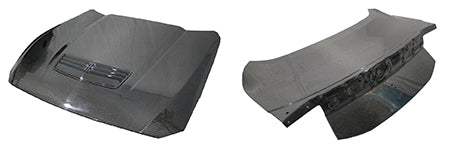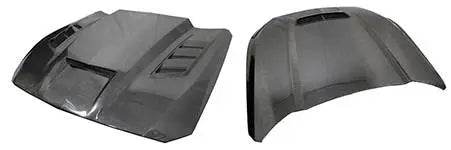

Considering upgrading your vehicle’s appearance and performance? A carbon fiber hood might be the upgrade you need. Known for its lightweight and high-strength material, the carbon fiber hood offers enhanced driving dynamics while giving your car a sleek, modern look. But like any modification, it's essential to weigh the benefits against potential drawbacks before making a decision. This article breaks down everything you should know about installing a carbon fiber hood, helping you decide if it's the right investment for your car.
Understanding the Carbon Fiber Hood
What Is a Carbon Fiber Hood?
A carbon fiber hood is an automotive part crafted from carbon fiber-reinforced polymer. Its hallmark is the distinct woven pattern visible under a clear coat, giving cars an aggressive and high-tech finish. Compared to traditional steel or aluminum hoods, carbon fiber hoods are much lighter and often stronger.
Popular Variants Like Seibon Carbon Fiber and 350z Carbon Fiber Hood
Well-known manufacturers like Seibon provide carbon fiber hoods recognized for their quality and fitment precision. For models like the Nissan 350z, options such as the 350z carbon fiber hood have become highly sought after by enthusiasts aiming to reduce weight without sacrificing style. They offer both functional and visual upgrades tailored specifically for those vehicles.
Primary Benefits of Installing a Carbon Fiber Hood
Significant Weight Reduction and Performance Gains
The primary appeal of a carbon fiber hood lies in its lightweight nature. Carbon fiber weighs considerably less than steel or aluminum, resulting in better front-end weight distribution. This reduction enhances acceleration, braking, and steering responsiveness, allowing for more nimble handling and greater overall performance.
Enhanced Aesthetic Appeal
Many car owners also choose carbon fiber hoods for their dramatic visual impact. The characteristic weave provides a sporty, aggressive look, instantly upgrading the vehicle's style. These hoods often come with different finishes—gloss, matte, or custom patterns—that allow further personalization.
Drawbacks and Challenges of Carbon Fiber Hoods
Higher Cost Compared to Traditional Materials
One significant drawback is the price. Carbon fiber hoods typically cost several times more than standard steel or aluminum hoods, especially when factoring in brands like Seibon carbon fiber, which are known for premium craftsmanship. The investment may be high upfront, which could deter budget-conscious buyers.
Fragility and Repair Difficulty
Although carbon fiber is strong in terms of tensile strength, it can be more brittle than metal in certain impact scenarios. Damage often requires specialized repair techniques, and minor cracks or chips can be more difficult and expensive to fix than dents on a metal hood.
Installation Considerations for Carbon Fiber Hoods
Professional Installation Recommended
Proper fitting of a carbon fiber hood usually demands professional installation. Carbon fiber components require precise alignment to ensure structural integrity and correct hood latch function. Attempting a DIY install could result in misalignment or damage.
Compatibility and Fitment
Not all carbon fiber hoods fit universally. For example, when purchasing a 350z carbon fiber hood, ensure it’s designed specifically for the year and model of your car to avoid fitment issues. Always check compatibility details from reputable manufacturers such as Seibon carbon fiber.
Maintenance and Longevity of Carbon Fiber Hoods
Tips for Keeping Your Hood in Top Shape
- Regularly clean with gentle, non-abrasive cleaners to avoid damaging the clear coat.
- Apply UV protectants to prevent yellowing or fading from sun exposure.
- Inspect for chips or cracks and address damages promptly to prevent further deterioration.
Longevity Compared to Other Materials
When cared for properly, carbon fiber hoods offer excellent durability and resistance to rust or corrosion, issues common with traditional metal hoods. However, exposure to harsh chemicals or extreme impacts can compromise their structural integrity if not maintained.
Is a Carbon Fiber Hood Right for Your Vehicle?
Assessing Your Driving Needs and Budget
If performance and aesthetics are priorities, and your budget allows, a carbon fiber hood is a worthwhile upgrade. Enthusiasts seeking weight savings and improved handling often find the benefits outweigh the higher costs.
Considering Alternatives
For those hesitant about cost or fragility, aluminum or fiberglass hoods can be alternatives that balance price and weight reduction. However, these materials don’t typically offer the same strength-to-weight ratio or visual appeal as carbon fiber.
Conclusion
Choosing to install a carbon fiber hood can significantly enhance your car’s performance and style by reducing weight and adding a distinctive look. However, it’s important to consider potential drawbacks like higher cost and the need for professional installation. Whether selecting a Seibon carbon fiber hood or a custom 350z carbon fiber hood, informed decisions will ensure you get the best out of this upgrade. Ready to explore your options? Discover quality carbon fiber hoods designed to improve both the look and handling of your ride today.